Fuel Pump Diagnosis & Repair Cost Estimator
Step 1: Identify Symptoms
Select all symptoms your vehicle is currently experiencing.
Step 2: Diagnostic Checks
Have you performed these checks? This helps narrow down the cause.
Diagnosis Result
Select symptoms above and click "Run Diagnosis" to see recommendations.
Your car is acting up. It hesitates when you press the gas pedal, stalls at traffic lights, or just refuses to start on cold mornings. Before you panic and book an expensive diagnostic session, consider this: a failing fuel pump is often the culprit behind these erratic behaviors. The good news? You don't always need a full replacement. Understanding what helps a bad fuel pump can save you hundreds of pounds and days in the workshop.
Quick Summary / Key Takeaways
- A weak fuel pump often stems from clogged filters or poor fuel quality rather than total mechanical failure.
- Replacing the fuel filter is the first and most cost-effective step before considering a new pump.
- Symptoms like engine sputtering, loss of power, and hard starts are clear indicators of low fuel pressure.
- Using high-quality fuel with appropriate additives can temporarily extend the life of a struggling pump.
- If the pump makes a humming noise but delivers no power, it likely needs professional replacement due to internal wear.
Identifying the Real Problem: Symptoms vs. Causes
Many drivers assume that if the car feels weak, the pump is broken. While true in some cases, the issue is frequently related to what’s feeding the pump. Think of the fuel system as a plumbing network. If the intake is restricted, the pump has to work harder, leading to overheating and premature failure. This is why diagnosing the root cause is critical before spending money on parts.
The most common signs of a struggling fuel delivery system include:
- Engine Sputtering: The engine stumbles under load, especially when climbing hills or accelerating quickly.
- Hard Starts: You have to crank the engine multiple times, particularly in cold weather.
- Loss of Power: The car feels sluggish, as if it’s running out of breath.
- Stalling: The engine cuts out while idling or coasting.
- Whining or Humming Noise: A loud whine from the fuel tank area indicates the pump motor is straining.
If you notice these symptoms, check your fuel level. Running the tank below a quarter empty forces the pump to draw air and sediment, which accelerates wear. Keeping the tank at least half full is a simple habit that protects the pump's longevity.
The First Line of Defense: Replacing the Fuel Filter
Before you touch the pump itself, look at the fuel filter. In many modern vehicles, the filter is integrated into the fuel pump assembly, sitting inside the tank. In older models, it might be located along the fuel line under the car. A clogged filter restricts flow, causing the pump to overwork. This restriction mimics the exact symptoms of a dead pump.
Replacing the filter is a relatively cheap fix. For inline filters, you can often do this yourself with basic tools. For in-tank filters, you’ll likely need a mechanic to access the pump module. However, even if you replace the entire pump module, ensuring the new unit has a fresh filter is non-negotiable. Never install a new pump with an old filter; it will fail again within months.
Can Fuel Additives Save a Dying Pump?
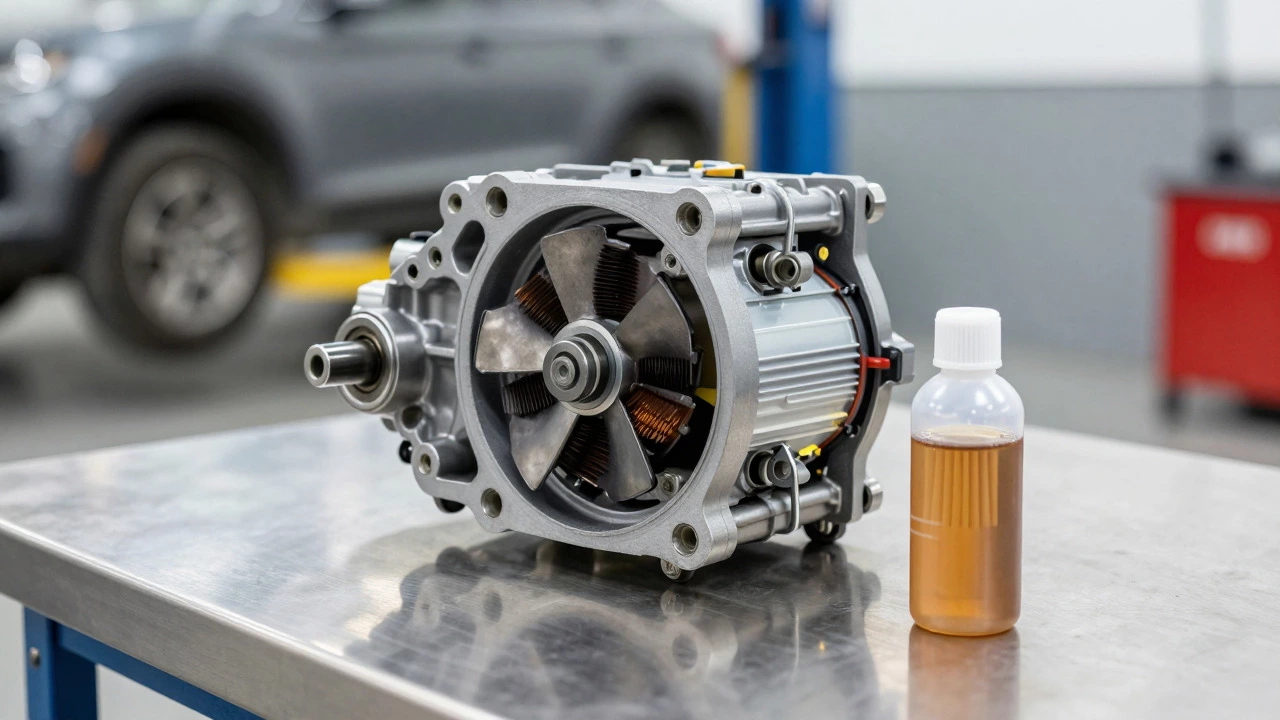
You might see bottles of "fuel system cleaner" at every petrol station in the UK. Do they work? Sometimes. These additives contain solvents that dissolve varnish and gum buildup inside the fuel lines and injectors. If your pump is slow because of debris sticking to its impeller, a bottle of high-quality cleaner (look for brands like Liqui Moly or Red Line) poured into a full tank can help restore flow.
However, additives are not a cure-all. They won’t fix a worn-out motor or a broken impeller. Use them as a maintenance tool, not a miracle fix. If the problem persists after two tanks of treated fuel, the mechanical components are likely the issue.
When to Replace the Fuel Pump Assembly
Eventually, the pump motor wears out. Electric fuel pumps rely on brushes and bearings that degrade over time. When this happens, no amount of cleaning will fix it. You need to replace the fuel pump assembly.
Here is how to decide if replacement is necessary:
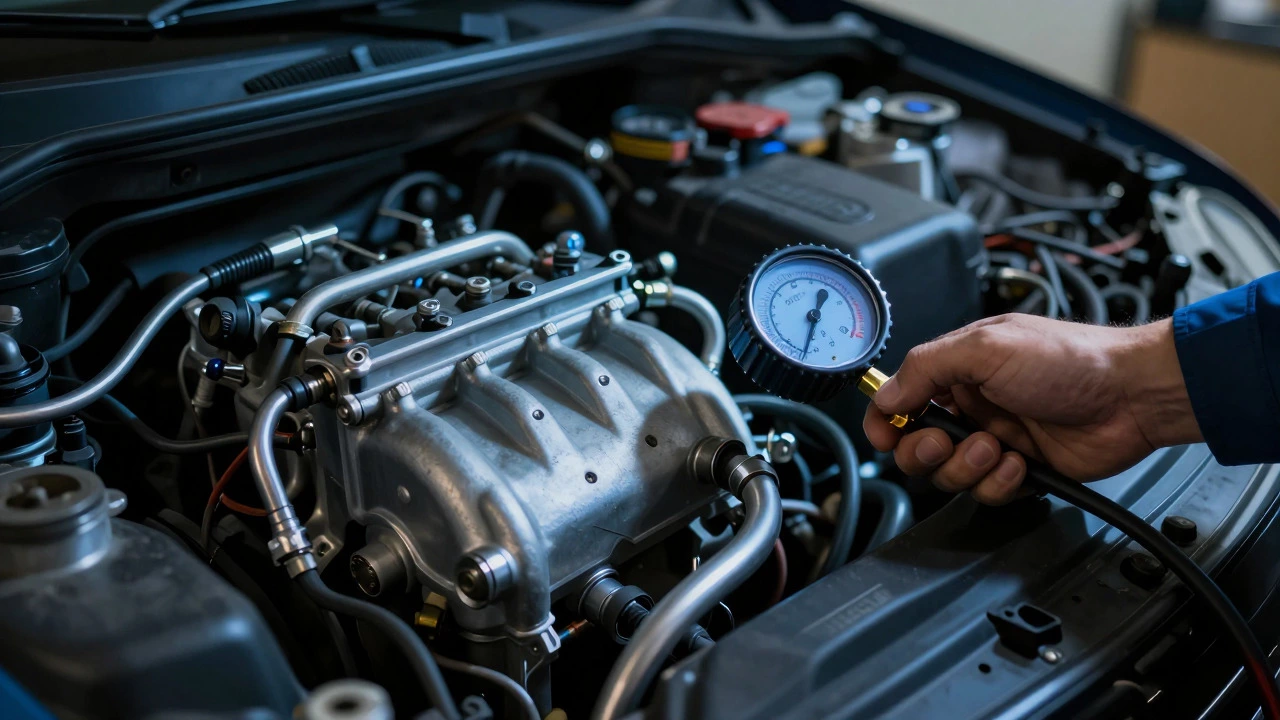
- Test the Pressure: A mechanic can attach a gauge to the fuel rail. If the pressure drops significantly when the engine revs up, the pump is weak.
- Check the Relay: Sometimes, the pump isn’t bad; the relay that powers it is. Swapping the relay with another one in the fuse box (like the horn relay) is a free diagnostic test.
- Listen for the Hum: Turn the key to the "on" position without starting the engine. You should hear a brief hum from the tank. No sound? Check the fuse and relay first. Sound but no power? The pump motor is likely seized.

Cost Comparison: Repair vs. Replace
Understanding the financial implications helps you make the right call. Here is a rough guide for typical UK vehicle repairs in 2026:
| Action | Estimated Cost (Parts + Labor) | Difficulty Level | Lifespan Extension |
|---|---|---|---|
| Fuel Filter Replacement (Inline) | £50 - £150 | DIY Friendly | 3-5 Years |
| Fuel System Cleaning (Additive) | £15 - £30 | Very Easy | Temporary / Preventative |
| Pump Module Replacement | £400 - £900 | Professional Only | 5-7 Years |
| Relay/Fuse Check | £0 - £50 | DIY Friendly | N/A (Diagnostic) |
Maintenance Tips to Prevent Future Failures
Once your car is running smoothly again, keep it that way. Fuel pumps are designed to last 80,000 to 100,000 miles, but neglect can cut that in half.
- Don't Run Dry: Keep the tank above a quarter full to prevent sediment ingestion.
- Use Quality Fuel: Stick to reputable petrol stations. Cheap fuel may contain more contaminants.
- Replace Filters Regularly: Follow your owner's manual schedule, usually every 20,000 to 40,000 miles.
- Check the Ground Connection: A poor ground connection can cause electrical issues that mimic pump failure. Ensure the wiring harness to the pump is secure.
Frequently Asked Questions
Can I drive with a bad fuel pump?
It is risky. A failing pump can stall you on the highway, leaving you stranded. If the car is sputtering under load, avoid high-speed driving until it is repaired. Short trips to the mechanic are usually safe, but long journeys are not recommended.
Does a bad fuel filter cause the same problems as a bad pump?
Yes, almost identically. Both restrict fuel flow, leading to low pressure. This causes hesitation, stalling, and loss of power. Always rule out a clogged filter before replacing the expensive pump.
How long does it take to replace a fuel pump?
For an accessible top-hatch design, it takes about 1-2 hours. For bottom-access designs where the tank must be dropped, it can take 4-6 hours. Labor costs vary by region and vehicle complexity.
Will fuel injector cleaner fix a weak pump?
Only if the weakness is caused by sludge buildup on the impeller. If the motor brushes are worn or the impeller is cracked, cleaner will have no effect. It is worth trying as a low-cost diagnostic step.
Is it better to buy OEM or aftermarket fuel pumps?
OEM (Original Equipment Manufacturer) parts offer the best reliability and fitment. Aftermarket brands like Bosch or Denso are also high quality and often cheaper. Avoid unbranded generic pumps, as they may lack proper seals and durability.