Alloy Wheel Upgrade Calculator
Vehicle & Usage Details
Analysis Results
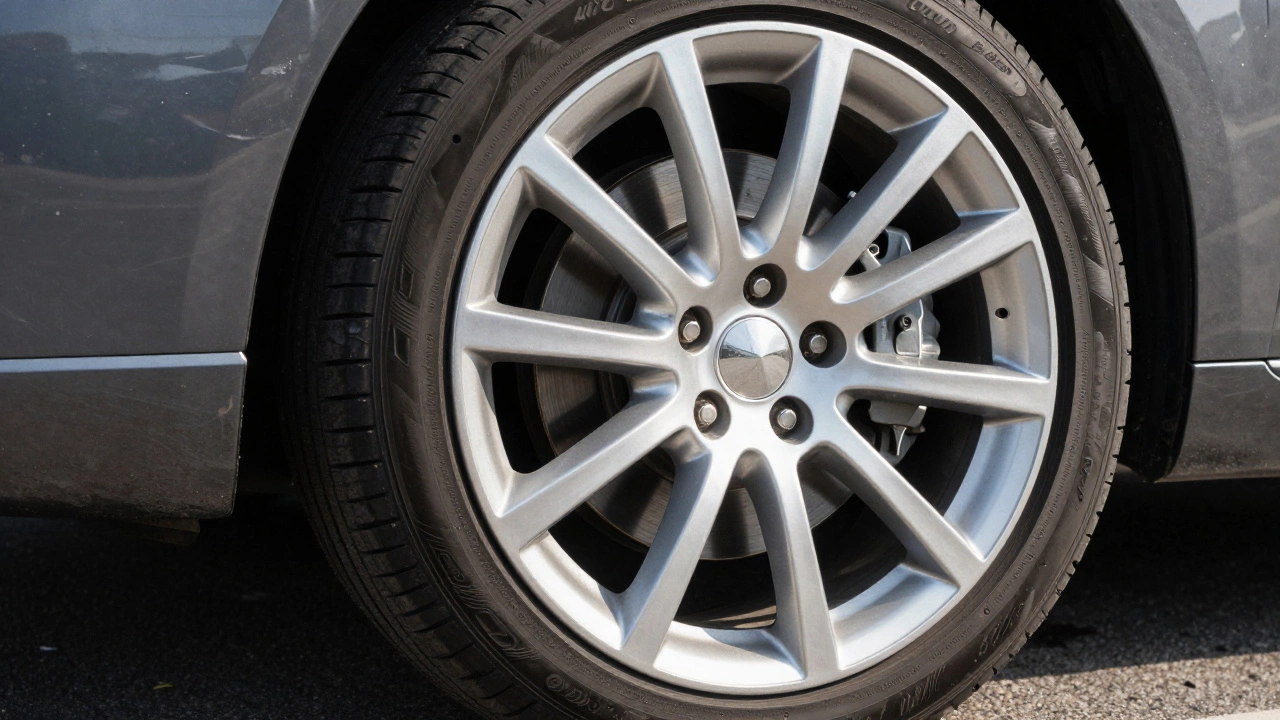
You pull up to the curb and notice that one car in the parking lot looks sharper than the rest. It’s not just the paint job or the body kit-it’s the wheels. They catch the light, fill the arches perfectly, and give the vehicle a stance that screams "ready to go." That visual punch is usually the first thing people notice, but it is rarely the only reason they swap out their factory steel rims for alloy wheels, which are lightweight automotive wheels made from aluminum or magnesium alloys designed to improve performance, aesthetics, and braking efficiency.
If you are standing at the counter of an auto shop wondering if the upgrade is worth the hundreds of dollars you will spend, you need to look past the shiny finish. The decision to buy alloy wheels comes down to a mix of physics, engineering, and psychology. You are paying for reduced weight, better heat dissipation, and a specific look that steel simply cannot replicate. But you are also accepting some trade-offs regarding durability and cost.
The Physics of Unsprung Weight
The biggest technical argument for switching to alloys is something called unsprung weight. This refers to any part of your car that is not supported by the suspension-your tires, brakes, hubs, and the wheels themselves. When you drive over a bump, your suspension has to work hard to keep the tire on the ground. If the wheel is heavy, it takes more energy to lift it up and bring it back down. This creates a sluggish response.
Steel wheels are dense. A typical set of steel wheels on a mid-size sedan might weigh around 30 pounds each. An equivalent set of aluminum alloy wheels might weigh only 18 to 20 pounds. That difference of 10 pounds per wheel adds up to 40 pounds of unsprung mass removed from your vehicle. Why does this matter? Because reducing unsprung weight makes your car feel tighter and more responsive. The suspension can react faster to road imperfections, giving you better grip during cornering and a smoother ride over rough pavement.
This isn't just about feeling sporty; it affects real-world performance metrics. Lighter wheels require less torque to rotate. Your engine doesn't have to work as hard to get the car moving from a stop. This translates directly into quicker acceleration times. If you track your car or simply enjoy spirited driving on back roads, that reduction in rotational inertia means the car feels lighter on its feet. You press the gas, and the car responds immediately rather than hesitating while the heavy steel rims build up momentum.
Braking Performance and Heat Dissipation
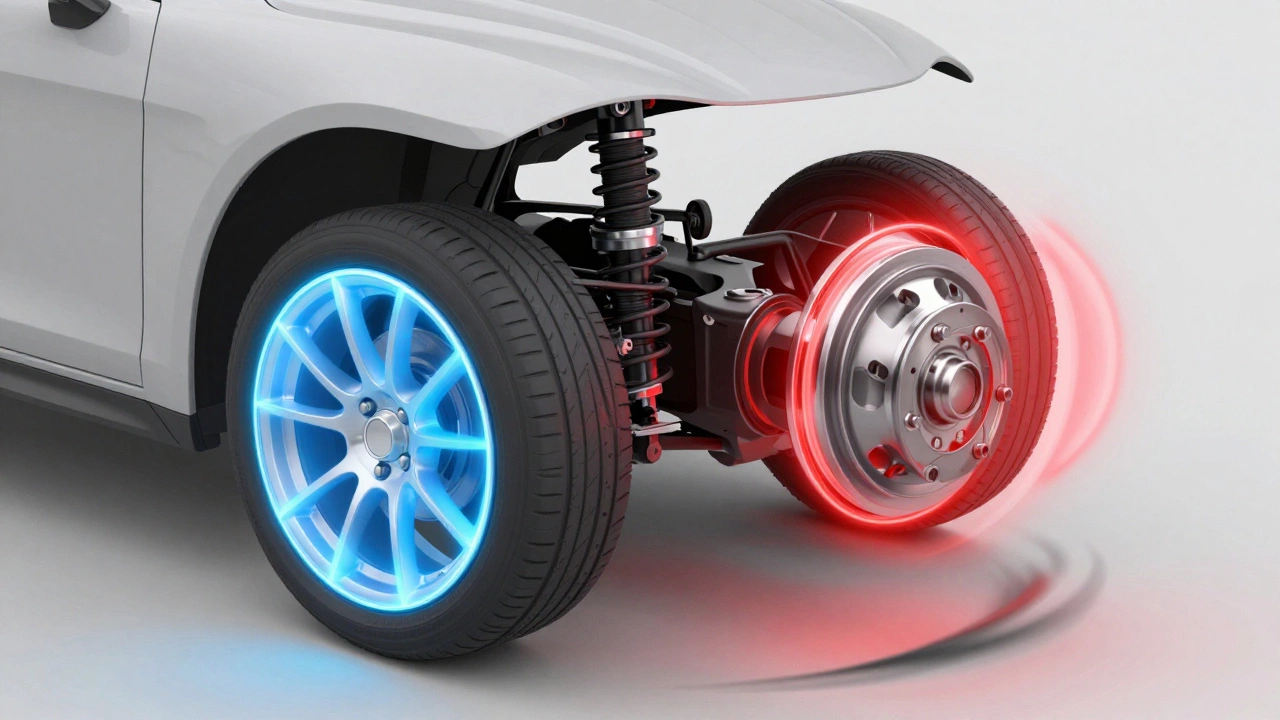
When you slam on the brakes, kinetic energy turns into heat. Where does that heat go? Mostly into the brake rotors and calipers. Steel is a good conductor of heat, but it holds onto it like a sponge. Aluminum, on the other hand, dissipates heat much more efficiently. Alloy wheels act as giant heat sinks, pulling thermal energy away from the braking system and releasing it into the air as you drive.
This property is critical for safety and longevity. In stop-and-go traffic or during repeated hard braking on a mountain pass, steel wheels can trap heat near the rotors. Over time, this retained heat can lead to brake fade-a condition where your brakes become less effective because they are too hot. With alloy wheels, the improved airflow through the spokes (most alloys are designed with open spoke patterns) combined with the metal's thermal properties helps keep brake temperatures in check. You get more consistent stopping power, and your brake pads last longer because they aren't cooking themselves every time you slow down.
Consider a scenario where you are driving a loaded SUV down a steep grade. With steel wheels, your brakes might glow red-hot by the bottom. With alloys, the heat management is superior, reducing the risk of warping rotors or needing premature brake service. For anyone who drives in hilly terrain or carries heavy loads frequently, this thermal advantage is a practical benefit, not just a theoretical one.
Fuel Efficiency Gains
Does swapping wheels actually save money at the pump? Yes, but the savings depend on how much you drive and how aggressive the weight reduction is. The general rule of thumb in automotive engineering is that for every 100 pounds of weight removed from a vehicle, you can expect a fuel economy improvement of roughly 1% to 2%. Since we established that a set of alloy wheels can shed 40 to 50 pounds compared to steel, you are looking at a modest but measurable gain.
However, the bigger factor here is rolling resistance. Because alloy wheels are lighter, they deform less under load than heavier steel wheels might (assuming comparable tire quality). Less deformation means less energy lost to friction between the tire and the road. Additionally, because the engine works less to spin the lighter wheels, it burns less fuel. For a commuter who drives 15,000 miles a year in a city with lots of stops and starts, those small percentages add up to gallons of saved gasoline over the course of a year.
It is important to note that this benefit assumes you keep the same tire size. If you upgrade to larger diameter alloy wheels-which many people do for aesthetic reasons-you might actually lose fuel efficiency due to increased aerodynamic drag and heavier tires. The net gain comes from the material change itself, not necessarily the size increase. So, if fuel economy is your primary goal, stick to the same diameter as your original equipment but switch to lightweight alloys.
Aesthetics and Customization Options
Let’s be honest: looks sell. Steel wheels are utilitarian. They are usually painted black or gray and covered by plastic hubcaps that rattle after a few years. They blend into the background. Alloy wheels, however, offer a canvas for personal expression. Manufacturers cast or forge them in intricate designs-five-spoke, multi-spoke, mesh, or turbine styles-that complement the character of the car.
The finishing options are vast. You can choose polished lips, matte black coatings, brushed silver, or even custom colors. The precision of aluminum casting allows for thin, elegant spokes that make the wheels look larger and more expensive than they are. This visual upgrade increases the perceived value of the vehicle. When you eventually sell your car, a set of well-maintained alloy wheels can make the difference between a quick sale and a lingering listing. Buyers associate alloys with higher trim levels and better care.
Beyond just looking good, alloys allow for better fitment. Because they are manufactured with tighter tolerances than stamped steel, they sit more precisely on the hub. This reduces vibration and ensures that the wheel spins true. If you have ever driven a car with a wobbly steering wheel at highway speeds, you know how annoying that is. Properly balanced alloy wheels eliminate that shudder, contributing to both comfort and safety.
Durability Concerns: Cracks vs. Bends
Here is where the story gets complicated. Steel is tough. It is flexible. If you hit a deep pothole with a steel wheel, it is likely to bend or dent. While that sounds bad, a bent steel wheel can often be hammered back into shape by a skilled technician. It is forgiving.
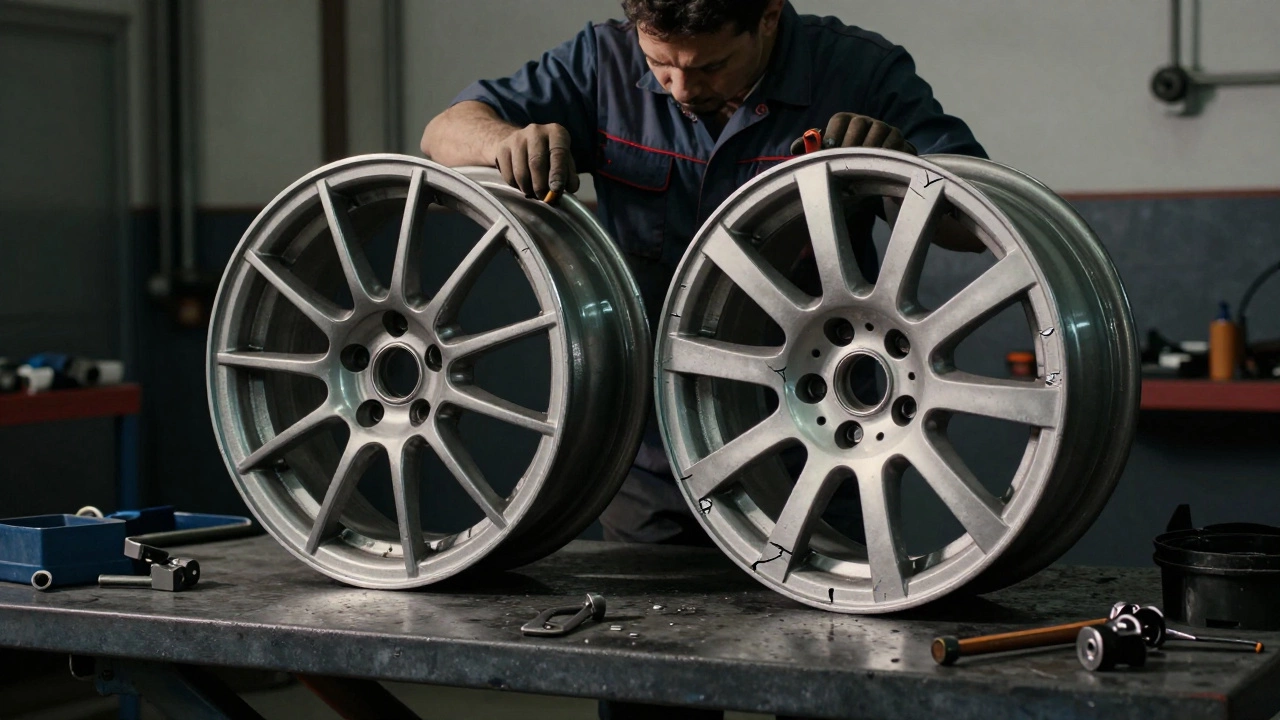
Aluminum is strong but brittle. Under the same impact, an alloy wheel is more likely to crack or fracture. A cracked wheel is dangerous and must be replaced entirely; it cannot be repaired safely. This is the single biggest drawback of owning alloys. Living in an area with poor road infrastructure, frequent construction zones, or harsh winter salt requires caution. One bad jump off a curb can turn a $200 repair into a $400 replacement bill.
Furthermore, corrosion is a concern. Steel rusts, yes, but it rusts uniformly and predictably. Aluminum corrodes differently. If the clear coat on your alloy wheels chips, moisture can get underneath and cause pitting or white oxidation spots that are difficult to remove. In coastal areas or regions that use heavy road salt, you need to wash your wheels regularly to prevent this surface degradation. Neglecting maintenance leads to a dull, spotted appearance that ruins the aesthetic benefit you paid for.
Cost Analysis: Initial Investment vs. Long-Term Value
Buying alloy wheels is an investment. A basic set of aftermarket alloys might start at $150 per wheel, while high-performance forged wheels can exceed $600 each. Add in mounting, balancing, and valve stems, and the total cost quickly climbs. Compared to steel wheels, which might cost $50 to $100 each, the price gap is significant.
So, is it worth it? You have to calculate the total cost of ownership. If you plan to keep your car for five years or more, the resale value boost and the potential fuel savings help offset the initial expense. Additionally, the improved handling and braking provide intangible benefits that enhance daily driving pleasure. However, if you are buying a beat-up older car that you plan to scrap in two years, spending thousands on alloys makes little financial sense. The return on investment diminishes rapidly on low-value vehicles.
Another hidden cost is insurance. Some insurers may view expensive custom wheels as a risk factor or require additional coverage. Check your policy before making the switch. Also, consider theft. Alloy wheels are attractive targets for thieves. Investing in wheel locks (locking lug nuts) is a smart move to protect your investment. These small devices prevent unauthorized removal, adding a layer of security that pays for itself if it deters a thief.
Maintenance Tips for Alloy Owners
Owning alloy wheels changes your cleaning routine. Brake dust contains iron particles that bond chemically with aluminum surfaces. If left untreated, this dust eats into the clear coat, causing permanent staining. You need to clean your wheels weekly, especially if you drive aggressively. Use a pH-neutral wheel cleaner specifically formulated for alloys-never use acidic cleaners meant for steel, as they will strip the protective coating.
Hand washing is preferred over automatic car washes. The stiff brushes in tunnel washes can scratch the delicate finishes. Use a soft microfiber mitt and plenty of water to rinse away loose debris before applying soap. For stubborn brake dust, let the cleaner dwell for a minute before gently agitating. Rinse thoroughly and dry with a clean towel to prevent water spots.
Inspect your wheels regularly for cracks or bends. Look closely at the rim edges where curbs are most likely to strike. If you notice a wobble or vibration, get the wheels checked immediately. Ignoring minor damage can lead to catastrophic failure at highway speeds. Finally, apply a ceramic sealant or wax designed for wheels every few months. This creates a hydrophobic barrier that repels brake dust and makes future cleaning easier.
| Feature | Alloy Wheels | Steel Wheels |
|---|---|---|
| Weight | Light (18-20 lbs) | Heavy (30+ lbs) |
| Heat Dissipation | Excellent | Poor |
| Impact Resistance | Prone to cracking | Bends but repairable |
| Aesthetics | High customization | Basic, utilitarian |
| Cost | $150-$600+ per wheel | $50-$100 per wheel |
| Fuel Efficiency Impact | Positive (reduced unsprung weight) | Negative (higher rotational mass) |
Who Should Avoid Alloy Wheels?
Not everyone needs alloys. If you drive a work truck that hauls heavy loads over gravel roads, steel wheels are the smarter choice. They can take a beating and be fixed cheaply. Similarly, if you live in a region with severe winters and constant rock salt exposure, the maintenance burden of alloys might outweigh the benefits. Salt accelerates corrosion, and the constant scraping against icy patches increases the risk of cracks.
Also, consider your budget. If replacing four wheels would mean skipping essential maintenance like new brakes or tires, hold off. Safety always trumps style. There is no point in having beautiful wheels if your car is unsafe to drive. Prioritize functional upgrades first, then consider cosmetics once the basics are covered.
Do alloy wheels really improve gas mileage?
Yes, but modestly. By reducing unsprung weight, alloy wheels lower the rotational mass your engine must move. This typically results in a 1% to 2% improvement in fuel economy, depending on driving habits and vehicle type. The gains are more noticeable in city driving with frequent stops than on steady highway cruising.
Can I repair a cracked alloy wheel?
Minor cracks in the rim barrel can sometimes be welded and straightened by professional specialists, but structural cracks near the center bore or spokes usually require full replacement. Attempting to drive on a cracked wheel is dangerous as it can fail suddenly at speed. Always consult a certified wheel repair shop for assessment.
Are alloy wheels harder to maintain than steel?
Yes, they require more attention. Brake dust bonds chemically to aluminum, causing stains if not cleaned regularly. You should wash alloy wheels weekly with pH-neutral cleaners and avoid harsh brushes. Steel wheels are more forgiving and can tolerate neglect better, though they will rust over time.
Is it safe to put summer tires on alloy wheels?
Many owners mount summer performance tires on alloy wheels for the warm months and switch to steel wheels with all-season or winter tires in colder weather. This protects your expensive alloys from road salt and potholes during winter. Just ensure the bolt pattern and offset match your vehicle specifications.
How much do aftermarket alloy wheels cost?
Prices vary widely based on brand, design, and manufacturing process. Cast aluminum wheels range from $150 to $300 per wheel. Flow-formed wheels cost $300 to $500 each. High-end forged wheels can exceed $600 to $1,000 per wheel. Remember to budget for mounting, balancing, and new valve stems, which can add $50 to $100 to the total installation cost.